Project Overview
Client: ReFood
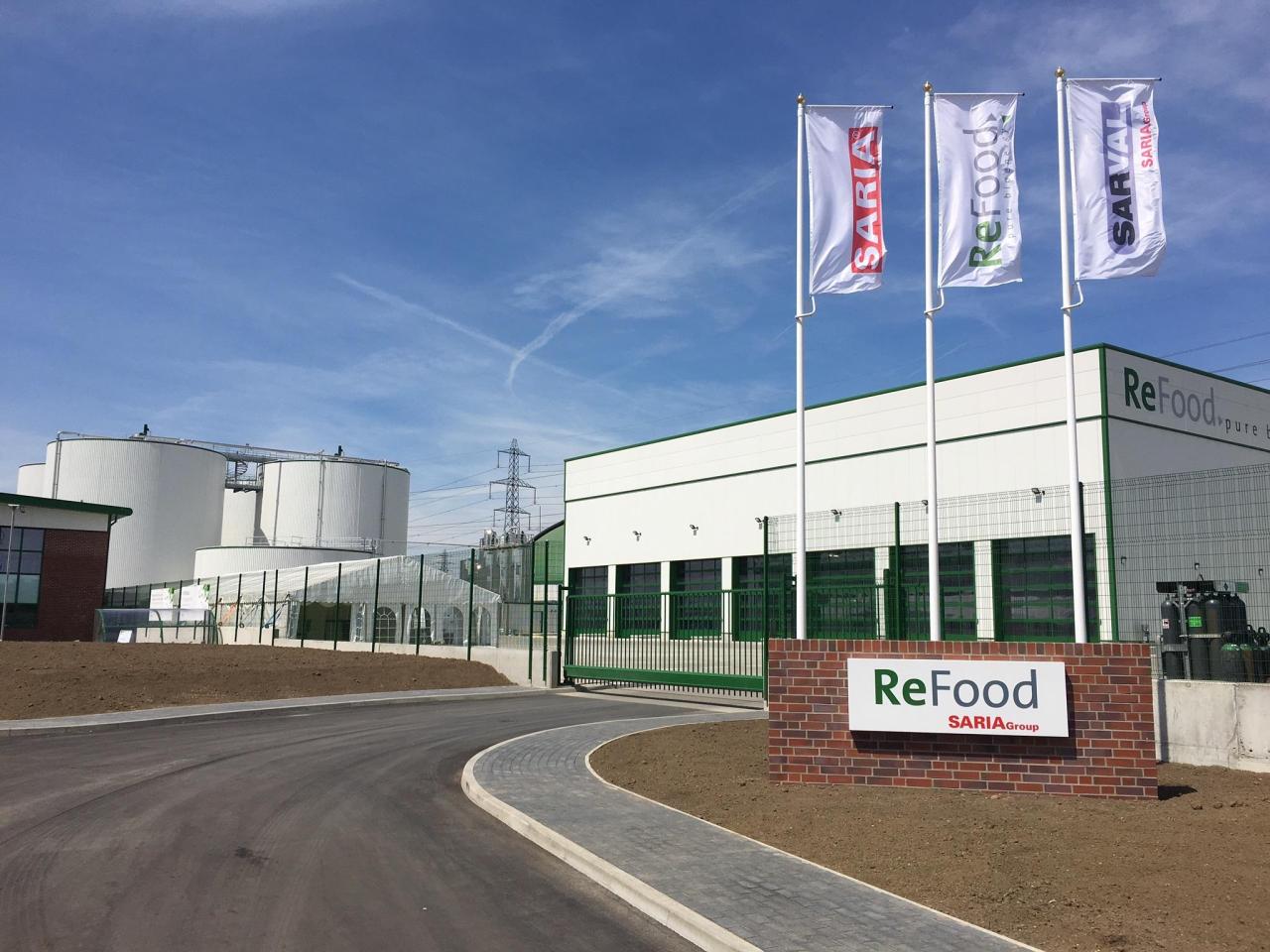
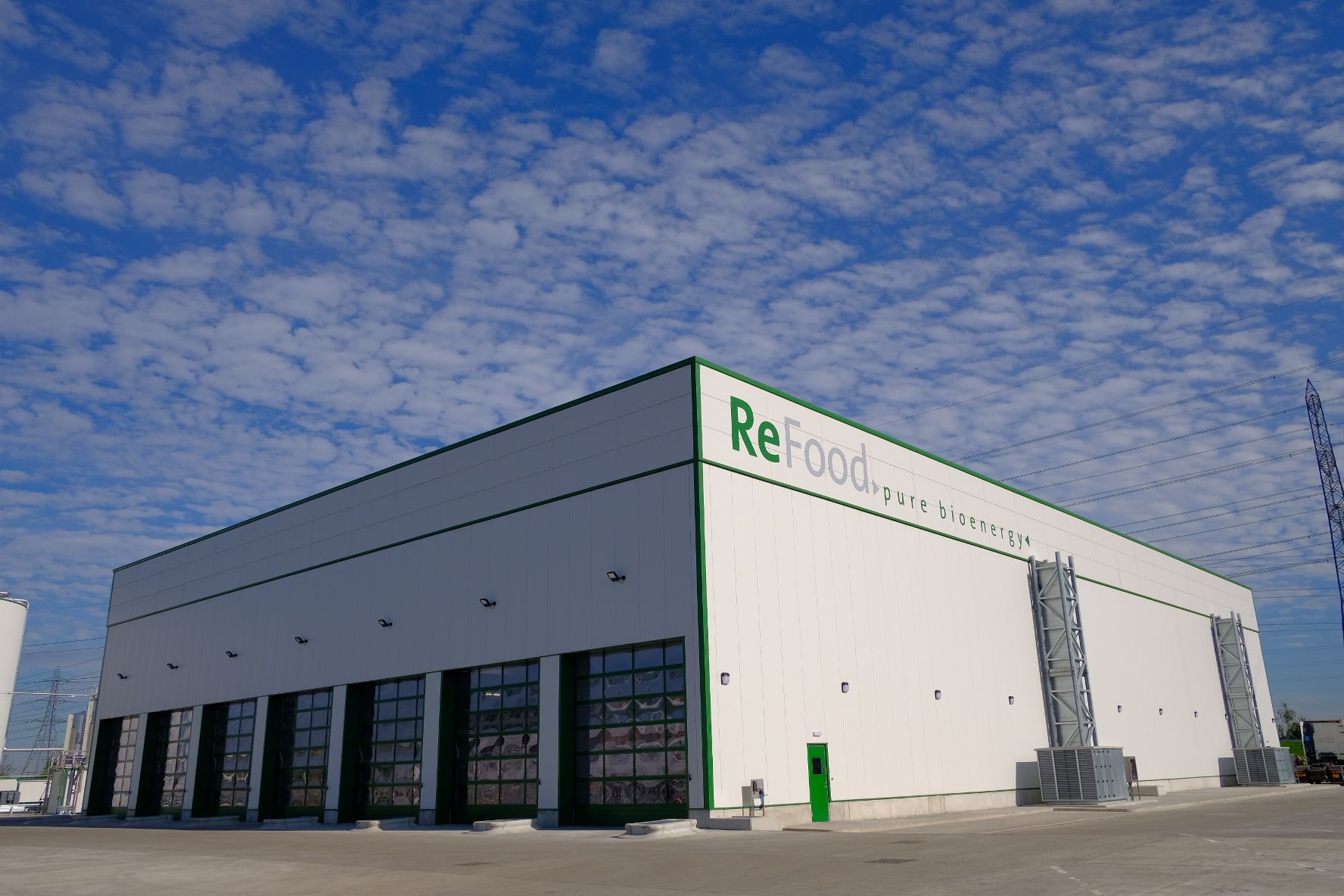
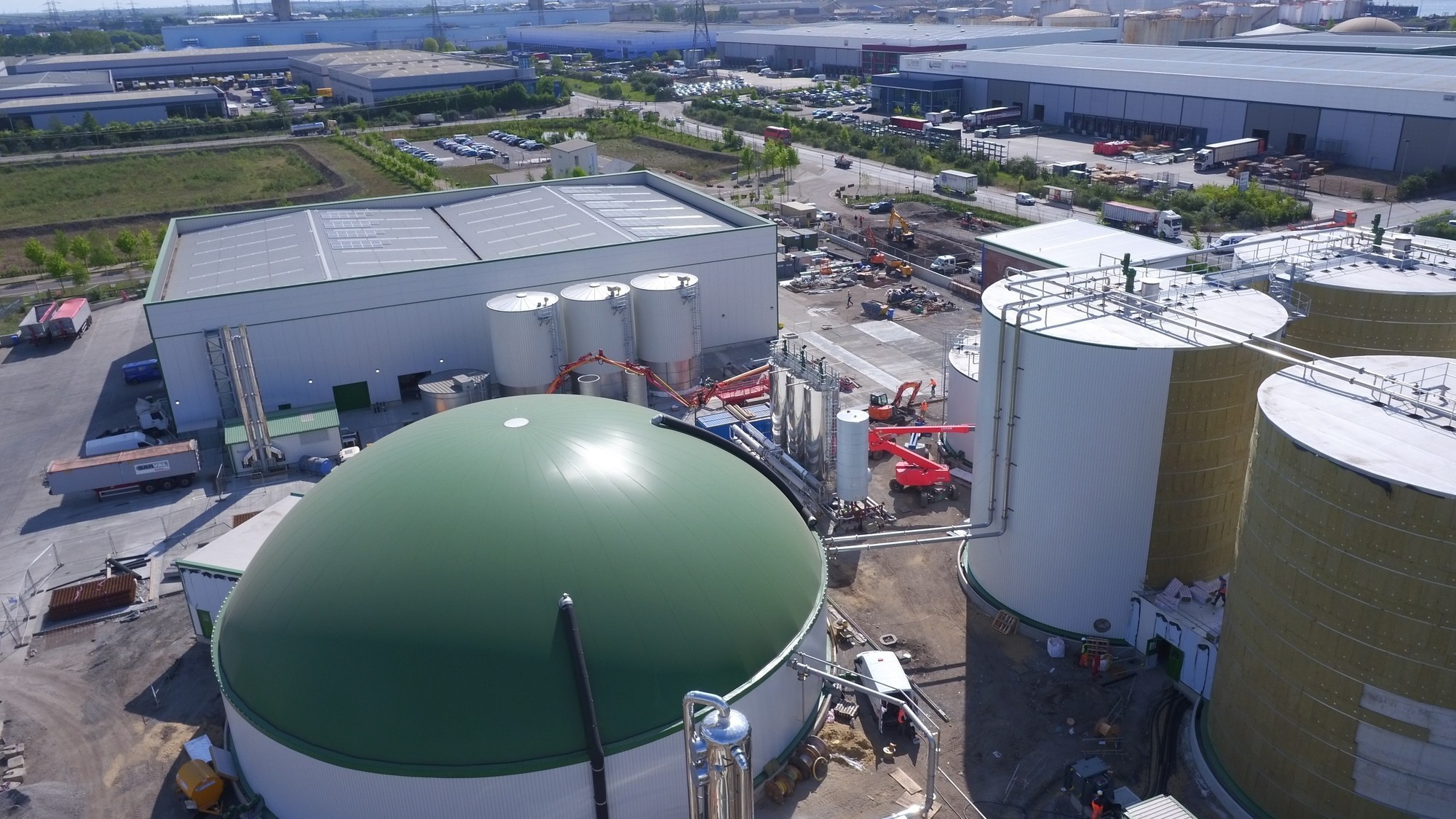
The project involved the design and delivery of a £32 million anaerobic digestion facility located on the River Thames in Dagenham, London, providing ReFood with a purpose-built renewable energy plant to process food waste at a commercial scale.
As Lead Designers and Contract Administrator, JHA Architecture coordinated the architectural design while working closely with the civil and process engineering teams to deliver a fully integrated industrial facility.
Key Features
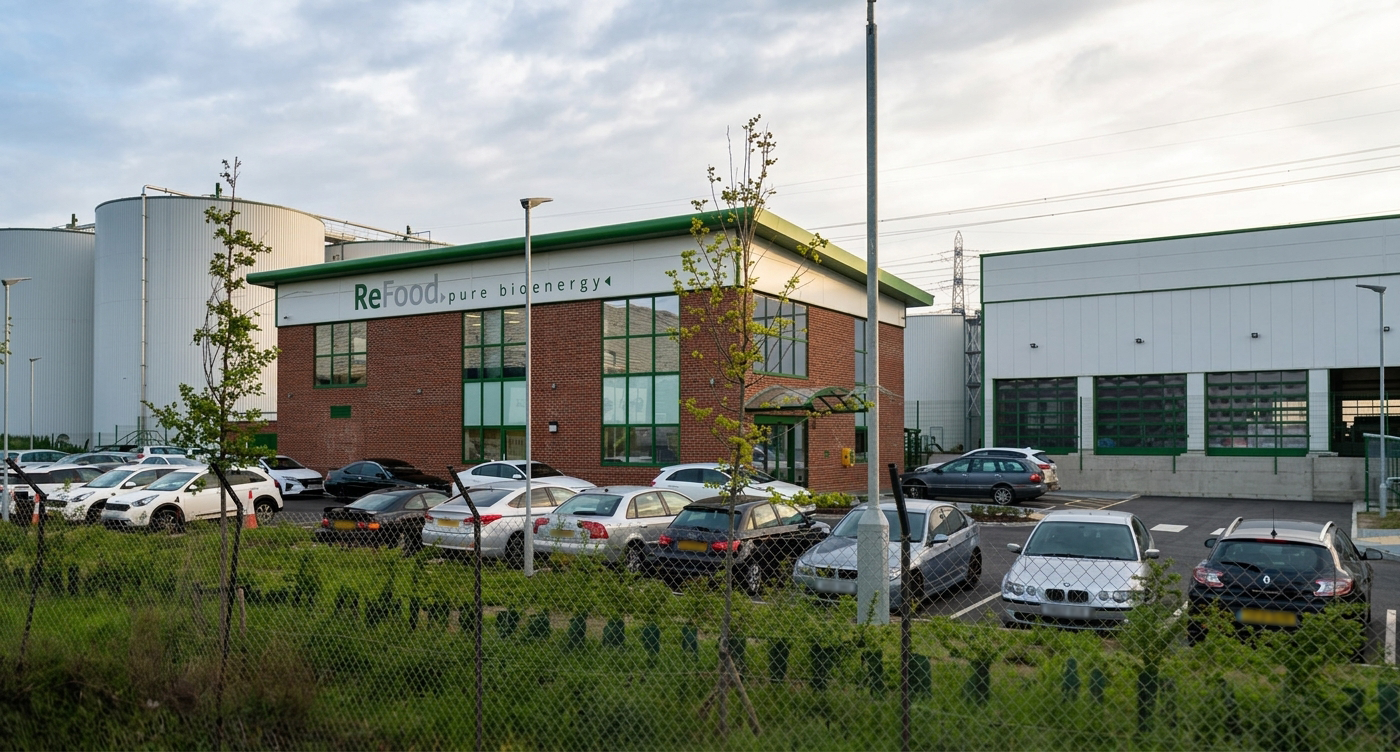
The development combines specialist process infrastructure, operational buildings and external works within a highly coordinated renewable energy facility.
- £32 million purpose-built anaerobic digestion facility
- Designed to process up to 160,000 tonnes of food waste annually
- Approximately 14 million m³ of renewable biogas generated each year
- Up to 73,600 tonnes of CO₂ emissions displaced
- Integrated architectural, civil, mechanical, electrical and process engineering coordination
Design Approach
The project involved the design and delivery of a £32 million anaerobic digestion facility located on the River Thames in Dagenham, London, providing ReFood with a purpose-built renewable energy plant to process food waste at a commercial scale. As Lead Designers and Contract Administrator, JHA Architecture coordinated the architectural design while working closely with the civil and process engineering teams to deliver a fully integrated industrial facility.
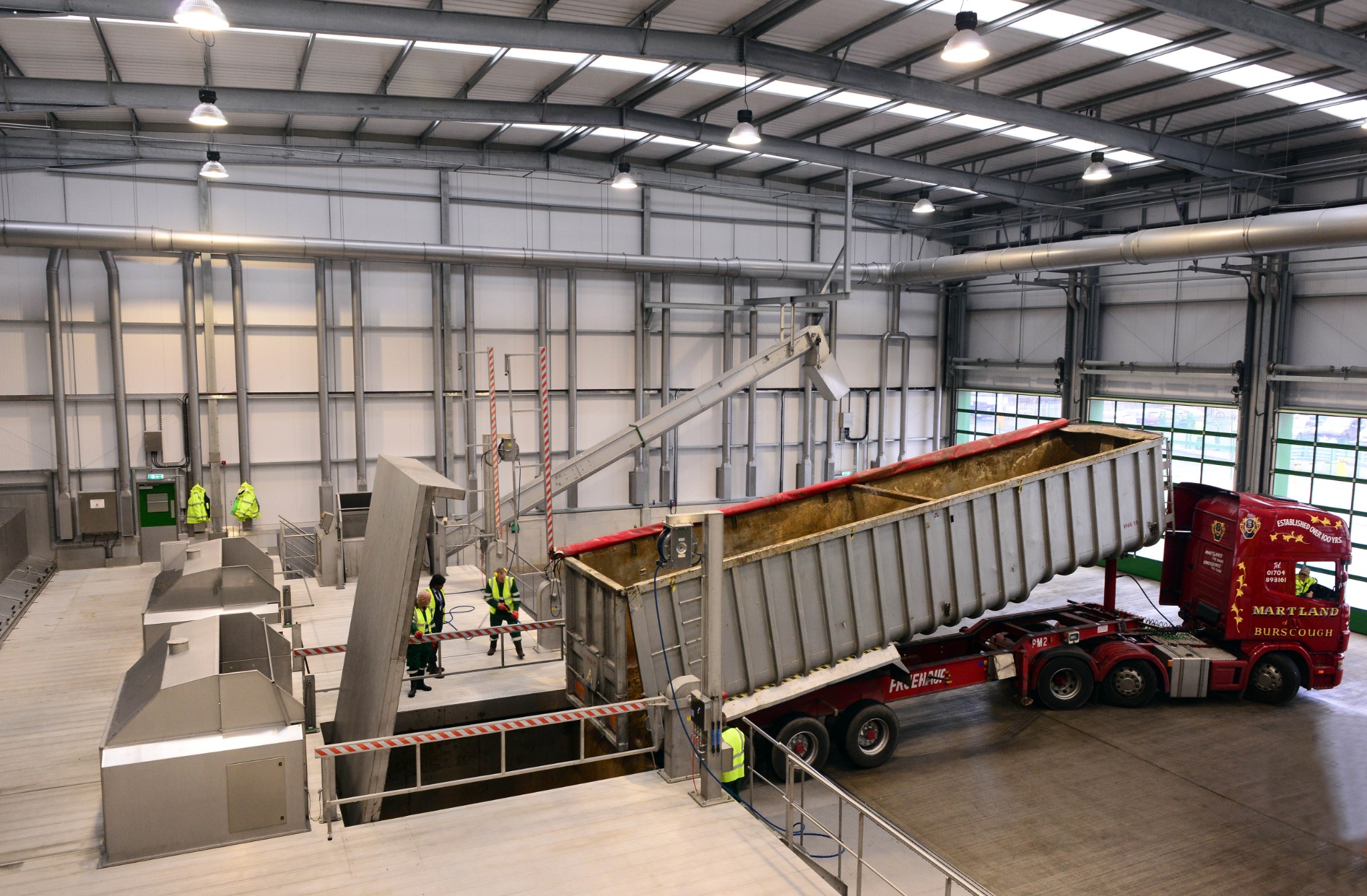
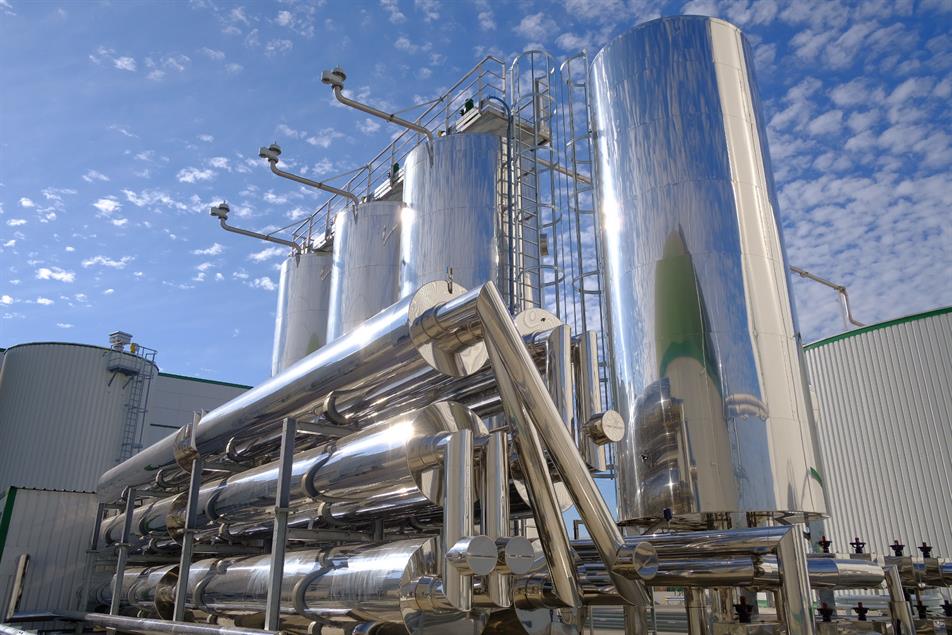
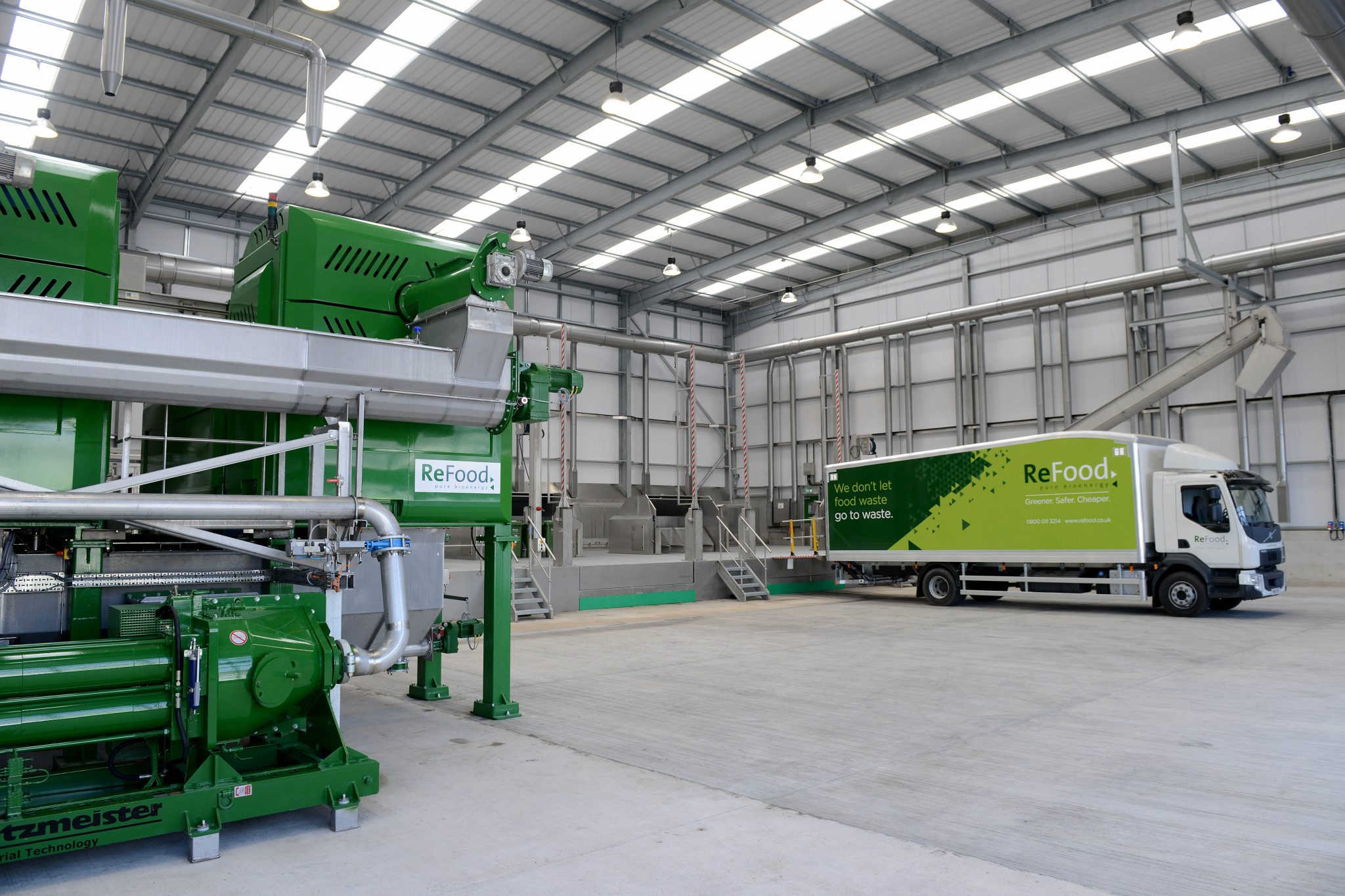
The design approach focused on accommodating the complex operational requirements of the anaerobic digestion process, ensuring that the buildings, infrastructure and external works supported the specialist processing equipment while maintaining safe and efficient site operations. Extensive coordination between consultants, contractors and specialist suppliers was undertaken throughout the project to ensure the successful integration of structural, civil, mechanical and electrical elements.
Operational Impact
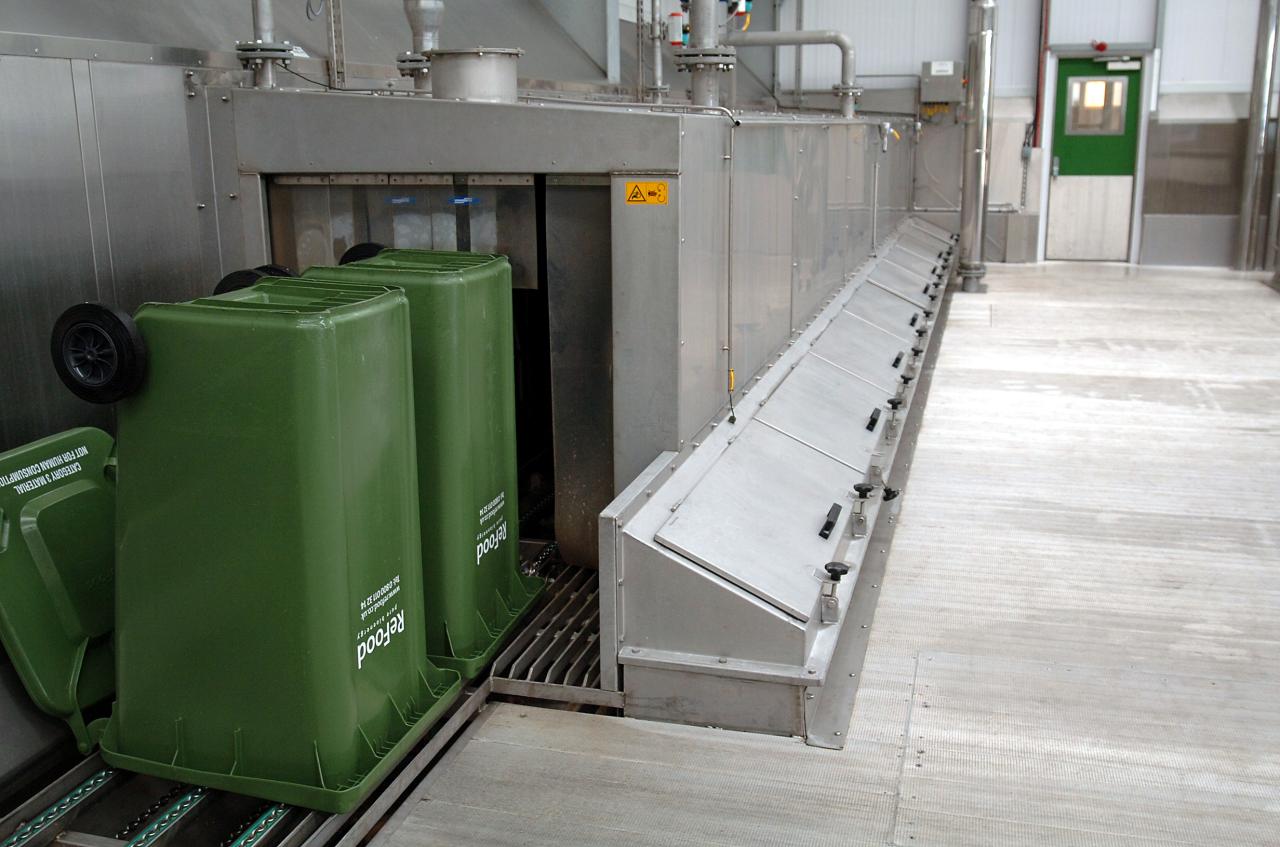
The completed facility provides ReFood with a secure, closed-loop solution for converting food waste into renewable energy. Designed to process up to 160,000 tonnes of food waste annually, the development generates approximately 14 million m³ of renewable biogas each year while helping to displace up to 73,600 tonnes of CO₂ emissions.
The site layout was carefully planned to facilitate efficient vehicle movements, waste reception, processing operations and maintenance access, ensuring the facility operates safely and effectively while meeting the client's long-term operational requirements.
Sustainability and Future Readiness
Sustainability formed the foundation of the project, with the facility transforming unavoidable food waste into valuable renewable energy and organic fertiliser through the anaerobic digestion process. The development contributes significantly towards reducing landfill dependency, lowering carbon emissions and supporting the UK's transition to a circular economy.
The architectural and civil design was coordinated to provide a robust and adaptable industrial facility capable of supporting future operational improvements and ongoing maintenance, ensuring long-term resilience and efficiency.
Project Outcome
The ReFood Anaerobic Digestion Facility demonstrates the successful delivery of a highly coordinated industrial and infrastructure project. Through our role as Lead Designers and Contract Administrator, alongside close collaboration with the client, civil engineers, process engineers, contractors and the wider consultant team, the project was delivered as a fully integrated renewable energy facility.
The result is a strategically important waste-to-energy development that provides essential environmental infrastructure, supports the UK's renewable energy objectives and delivers a sustainable, long-term solution for commercial food waste management.
Project Gallery